
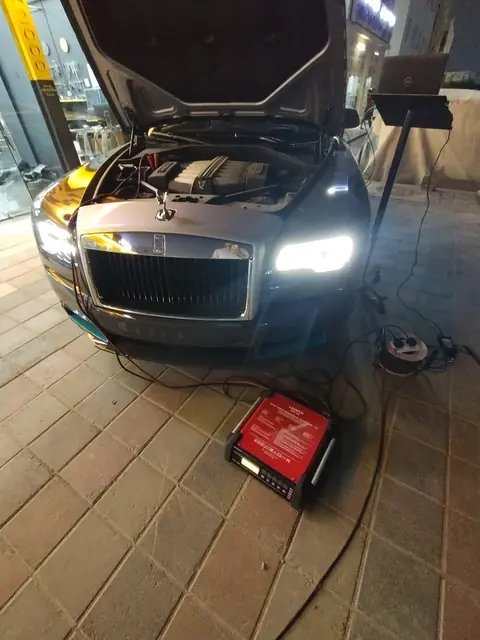
A used car can be excellent value, especially a premium model a few years old. It can also be the most expensive mistake you make this year. The difference is usually found in an hour’s inspection before the money changes hands.
Here is what we check when a customer asks us to look at a car before they buy it.
1. Paperwork and history
- Registration documents that match the car: chassis (VIN) number, engine number and colour.
- Service history. Stamped books, dealer printouts or workshop invoices. Gaps are not always a deal-breaker, but they need explaining.
- Origin. Where the car was first sold matters. Cars imported from other markets may have a different specification and, in some cases, an accident or insurance history that isn’t obvious locally.
- Outstanding recalls for the model, which the dealer should have completed.
2. Accident and body damage
We check panel gaps, paint thickness and colour match, signs of respraying, replaced panels, welding and repairs to the structure underneath. A professional repair isn’t necessarily a problem, but you should know about it, and structural damage is a different matter altogether.
3. Flood and water damage
Flood-damaged cars do reach the market. Warning signs include silt or tide marks under carpets and in the boot, corrosion on seat rails and electrical connectors, a damp or musty smell, and electrical faults that don’t add up. Water damage to modern electronics can surface months later, so this check matters.
4. Diagnostics
We scan every control unit, not just the engine, for stored and historic fault codes. Cleared codes, or a battery disconnected just before the sale, can hide problems, so we look at readiness data and the condition of the electrical system as well.
5. Mechanical inspection
- Engine: leaks, noises, smoke, cold-start behaviour, and the condition of oil and coolant.
- Gearbox: smooth changes, no slipping or harsh engagement, fluid condition where it can be checked.
- Suspension and steering: worn bushes, leaking dampers, play in joints.
- Brakes: pads, discs and fluid.
- Tyres: tread, even wear (uneven wear can point to alignment or suspension problems) and the date code.
- Air conditioning: cold, steady and quiet. In Muscat, an expensive AC repair matters.
- Underneath: corrosion, damage, and anything that has been modified.
6. Test drive
A proper drive covers a cold start, town traffic, faster roads, braking and parking. We are listening and feeling for vibrations, noises, pulling and warning lights.
7. Mileage
The odometer reading should match the service history, the wear on the interior, and in some cases the mileage stored in other control units.
What you get
After the inspection we give you a clear summary: what is in good order, what needs attention soon and what it is likely to cost, and anything that makes us advise against buying. Often the inspection pays for itself in the price negotiation alone.
Book an inspection
If you’re about to buy a car, send Garage Lutis the make, model, year and the seller’s location on WhatsApp. Ask the seller to bring the car to our workshop in Walja, Ruwi, and we’ll agree a time.